
SPOILER ALERT!
LASIK Surgical Treatment Is A Risk-Free And Efficient Way To Remove The Requirement For Glasses And Also Contact Lenses
Article by-Owen Fowler
Prior to you have LASIK, your eye doctor will perform examinations to ensure that it is right for you. They include measuring your vision, assessing the density of your cornea and also checking for other eye problems.It can also enhance your total quality of life.
Refractive errors are vision issues caused by a miserably designed eyeball, cornea or lens. Glasses, get in touch with lenses as well as refractive surgical treatment such as LASIK attempt to remedy these by making light rays focus on the retina properly.
Throughout eye surgical procedure, your specialist changes the shape of your cornea to correct your refractive mistake. This is done by using lasers to improve the cornea to ensure that light rays concentrate directly onto your retina, which gets rid of obscured vision and offers you clearer, crisper sight.
In some cases, your LASIK surgical procedure may not totally remedy your vision. The outcome of this is called recurring refractive error or astigmatism. This can cause visual acuity to lower at night or create glare and haloes.
LASIK is a surgical procedure that improves the cornea to correct your refractive mistake. This suggests that light is focused on the retina (the part of your eye where aesthetic images are analyzed) properly.
The procedure is carried out utilizing a laser as well as can take less than half an hour per eye. Your eyes will be numbed with numbing decreases prior to the surgical procedure begins.
After numbing is complete, the medical professional uses a laser system to reshape your cornea. Numerous pulses of laser light are sent out to your cornea, painlessly reshaping it.
In most cases, the laser reshapes your cornea without leaving any kind of stitches in place.
Your doctor might also use a suction ring on your eye to help hold it open while reducing the flap. The ring can sometimes create a sensation of pressure, which dims your vision a bit.
You may experience some hazy vision after the surgical treatment, but it should boost within a couple of weeks. You ought to prepare for a follow-up browse through with your doctor in the initial week after the procedure to examine your progress.
LASIK surgical procedure is a secure, minimally invasive procedure that gives patients with clearer vision. However, the process of recovery requires positive care as well as follow-up consultations with an ophthalmologist.
Your physician will offer you with directions to aid you reduce the threat of infection, dryness, and swelling during this time around. visit the following webpage will certainly additionally be offered more eye drops to lubricate the eyes as well as aid you heal much faster.
For the very first few days after LASIK, you will certainly experience some discomfort, consisting of tearing, light sensitivity, and also blurred vision. This can differ from mild to severe depending upon the sort of LASIK and just how your eyes react to the laser.
It is essential to stay clear of rubbing or touching the eye for numerous days after surgical procedure to stop the flap from removing as well as lessen the possibility for infection. Your vision might rise and fall throughout this duration as well as take three to six months prior to it supports, yet you can anticipate modern improvements throughout this timeline.
While LASIK is risk-free and reliable, it can be accompanied by difficulties. These are rare, however they can affect your vision.
During Visit Web Page , the specialist makes use of a laser to alter the form of the cornea to fix your refractive mistake. This treatment is one of the most usual eye surgical procedures worldwide.
Many LASIK individuals attain 20/20 vision after their surgery. However, about 1 percent of patients experience severe or permanent side effects.
Flap issues are unusual and also the majority of situations fix within a few weeks after surgical treatment. Flap problems can be caused by the outermost corneal cells layer growing abnormally below the flap during the healing process.
Diffuse lamellar keratitis (DLK) is an uncommon post-operative problem that occurs under the LASIK flap. Treatment is constant dosages of steroid eye decreases, and also the surgeon might require to raise the flap to wash out the inflammatory cells.
Various other complications include refractive regression, a condition where your vision adjustments back to your initial prescription after surgical procedure. This difficulty is a lot more common in individuals that are older than age 35, yet can take place in any individual.
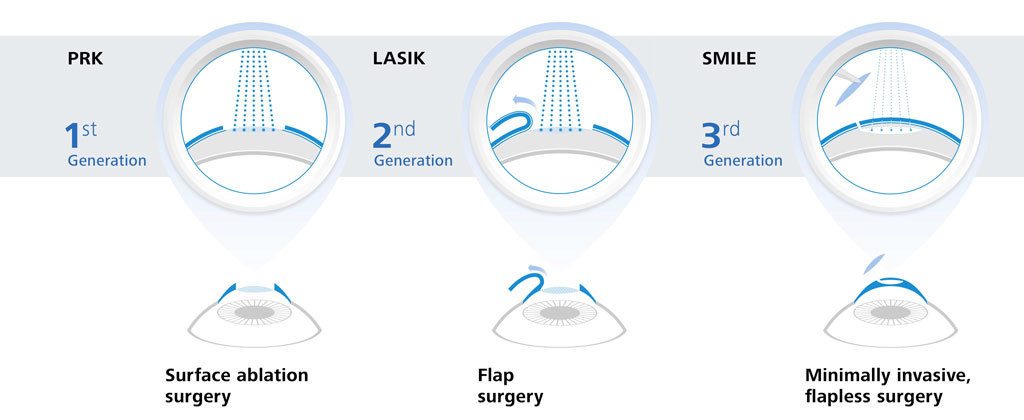
Prior to you have LASIK, your eye doctor will perform examinations to ensure that it is right for you. They include measuring your vision, assessing the density of your cornea and also checking for other eye problems.It can also enhance your total quality of life.
Refractive Mistakes
Refractive errors are vision issues caused by a miserably designed eyeball, cornea or lens. Glasses, get in touch with lenses as well as refractive surgical treatment such as LASIK attempt to remedy these by making light rays focus on the retina properly.
Throughout eye surgical procedure, your specialist changes the shape of your cornea to correct your refractive mistake. This is done by using lasers to improve the cornea to ensure that light rays concentrate directly onto your retina, which gets rid of obscured vision and offers you clearer, crisper sight.
In some cases, your LASIK surgical procedure may not totally remedy your vision. The outcome of this is called recurring refractive error or astigmatism. This can cause visual acuity to lower at night or create glare and haloes.
The Treatment
LASIK is a surgical procedure that improves the cornea to correct your refractive mistake. This suggests that light is focused on the retina (the part of your eye where aesthetic images are analyzed) properly.
The procedure is carried out utilizing a laser as well as can take less than half an hour per eye. Your eyes will be numbed with numbing decreases prior to the surgical procedure begins.
After numbing is complete, the medical professional uses a laser system to reshape your cornea. Numerous pulses of laser light are sent out to your cornea, painlessly reshaping it.
In most cases, the laser reshapes your cornea without leaving any kind of stitches in place.
Your doctor might also use a suction ring on your eye to help hold it open while reducing the flap. The ring can sometimes create a sensation of pressure, which dims your vision a bit.
You may experience some hazy vision after the surgical treatment, but it should boost within a couple of weeks. You ought to prepare for a follow-up browse through with your doctor in the initial week after the procedure to examine your progress.
Post-Operative Care
LASIK surgical procedure is a secure, minimally invasive procedure that gives patients with clearer vision. However, the process of recovery requires positive care as well as follow-up consultations with an ophthalmologist.
Your physician will offer you with directions to aid you reduce the threat of infection, dryness, and swelling during this time around. visit the following webpage will certainly additionally be offered more eye drops to lubricate the eyes as well as aid you heal much faster.
For the very first few days after LASIK, you will certainly experience some discomfort, consisting of tearing, light sensitivity, and also blurred vision. This can differ from mild to severe depending upon the sort of LASIK and just how your eyes react to the laser.
It is essential to stay clear of rubbing or touching the eye for numerous days after surgical procedure to stop the flap from removing as well as lessen the possibility for infection. Your vision might rise and fall throughout this duration as well as take three to six months prior to it supports, yet you can anticipate modern improvements throughout this timeline.
Issues
While LASIK is risk-free and reliable, it can be accompanied by difficulties. These are rare, however they can affect your vision.
During Visit Web Page , the specialist makes use of a laser to alter the form of the cornea to fix your refractive mistake. This treatment is one of the most usual eye surgical procedures worldwide.
Many LASIK individuals attain 20/20 vision after their surgery. However, about 1 percent of patients experience severe or permanent side effects.
Flap issues are unusual and also the majority of situations fix within a few weeks after surgical treatment. Flap problems can be caused by the outermost corneal cells layer growing abnormally below the flap during the healing process.
Diffuse lamellar keratitis (DLK) is an uncommon post-operative problem that occurs under the LASIK flap. Treatment is constant dosages of steroid eye decreases, and also the surgeon might require to raise the flap to wash out the inflammatory cells.
Various other complications include refractive regression, a condition where your vision adjustments back to your initial prescription after surgical procedure. This difficulty is a lot more common in individuals that are older than age 35, yet can take place in any individual.
